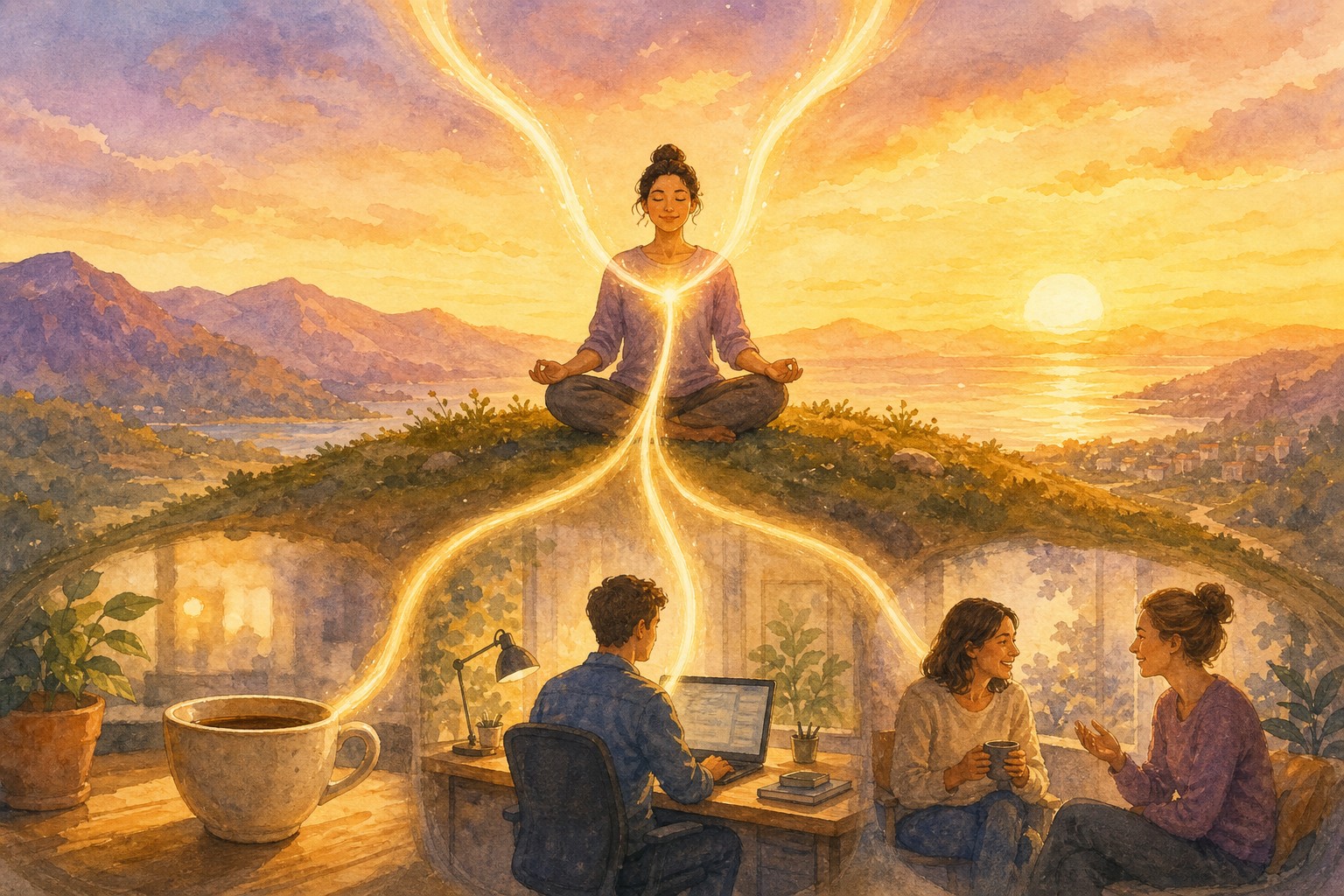
Why do we crash when outcomes fall short of our 120% effort? Starting from the Diamond Sutra's core teaching 'Awaken the mind without abiding anywhere' and Adler's 'Separation of Tasks,' this article explores the 'Non-Stick Pan Philosophy' and 'Tenant Mindset.' Discover how to put in 120% effort while holding 0% attachment to the results, allowing you to let go of expectations and live more freely in work and relationships.
Physics Professor Jih-Chen Chiang spent 15 years using Quantum Field Theory to study the Diamond Sutra, explaining the soul as a wave packet, mapping 10D space to Buddhist realms using Superstring Theory, comparing human attachment to quantum entanglement, and sharing how 'abiding nowhere yet generating the mind' helps overcome depression and find spiritual freedom.
Sangpo Rinpoche subverts traditional Buddhist understanding: Buddha does not exist in matter, but in your own body and mind. The mind does not get sick; what fluctuates are thoughts. Affliction is the wood of wisdom; transformation rather than elimination is the practice of Vajrayana. Attachment is going too far; Samsara is the repeating negative habit you are currently experiencing. Face the root of the problem instead of chasing external stones. The 'Yuanfen' (affinity) in karma is the key to changing destiny.
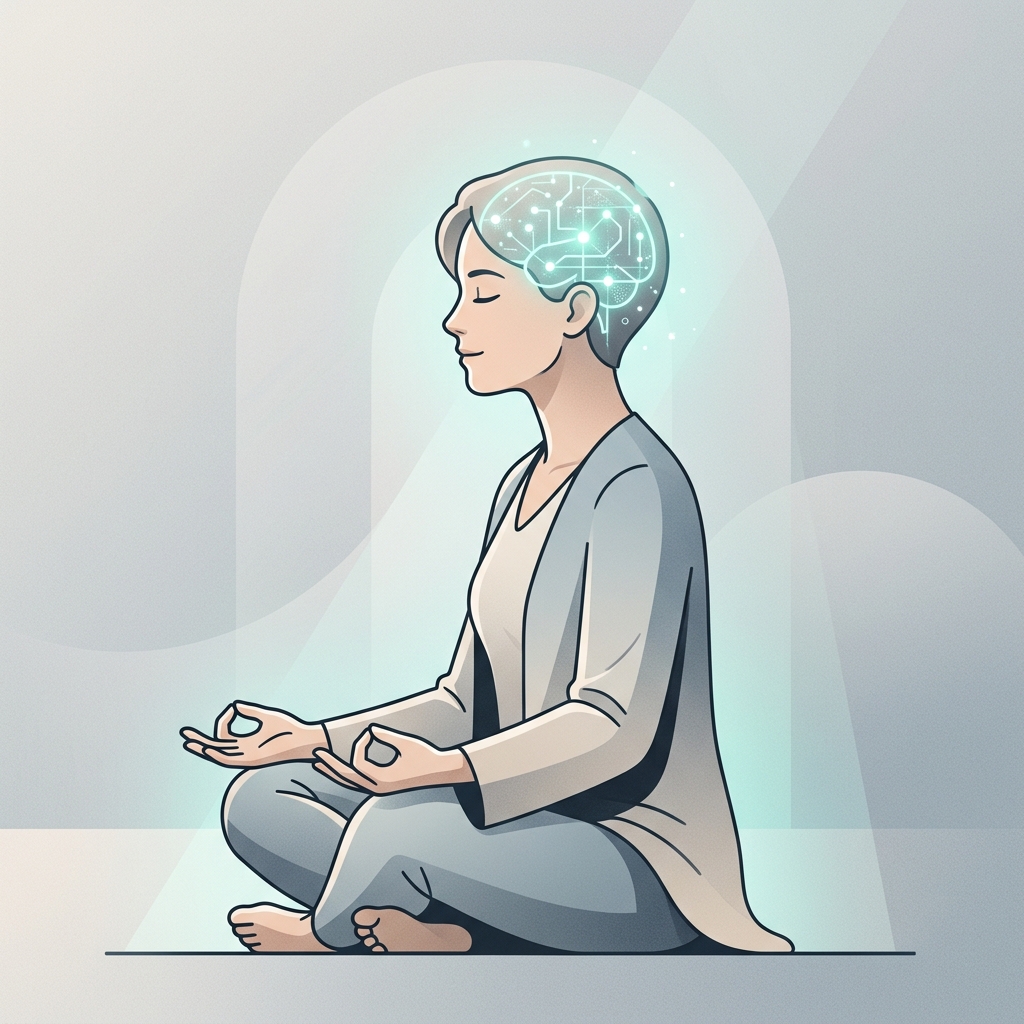
Our anxiety stems from being hijacked by the non-stop thinking machine in our brain. Eckhart Tolle, author of "The Power of Now," explains how the mind keeps us trapped in past regrets and future worries through "psychological time," and how the accumulated "Pain-Body" from the past controls our emotions like a parasite. Through daily practices like observing the breath, feeling the body, and stopping judgment, we can become observers of our thoughts and find inner peace in work and relationships.
From myth-busting to scientific mechanisms to real challenges, a complete breakdown of the 10-day Vipassana course: why it's free, what causes suffering, how brutal Adhitthana sitting is, and how to reclaim control of your life. The real experience of a 10-day Vipassana course — waking at 4 AM, meditating 10 hours daily, no food after noon — a full record of physical and mental challenges from Sila to Adhitthana. Breaking down the scientific mechanism of Vipassana from a physiological psychology perspective: the root of suffering is craving and aversion, building an emotional buffer zone through observing bodily sensations, clearing the subconscious, and healing anxiety. Debunking the cult myth, explaining why it's completely free, and how experiencing 'impermanence' helps you regain control of your life and cultivate compassion.
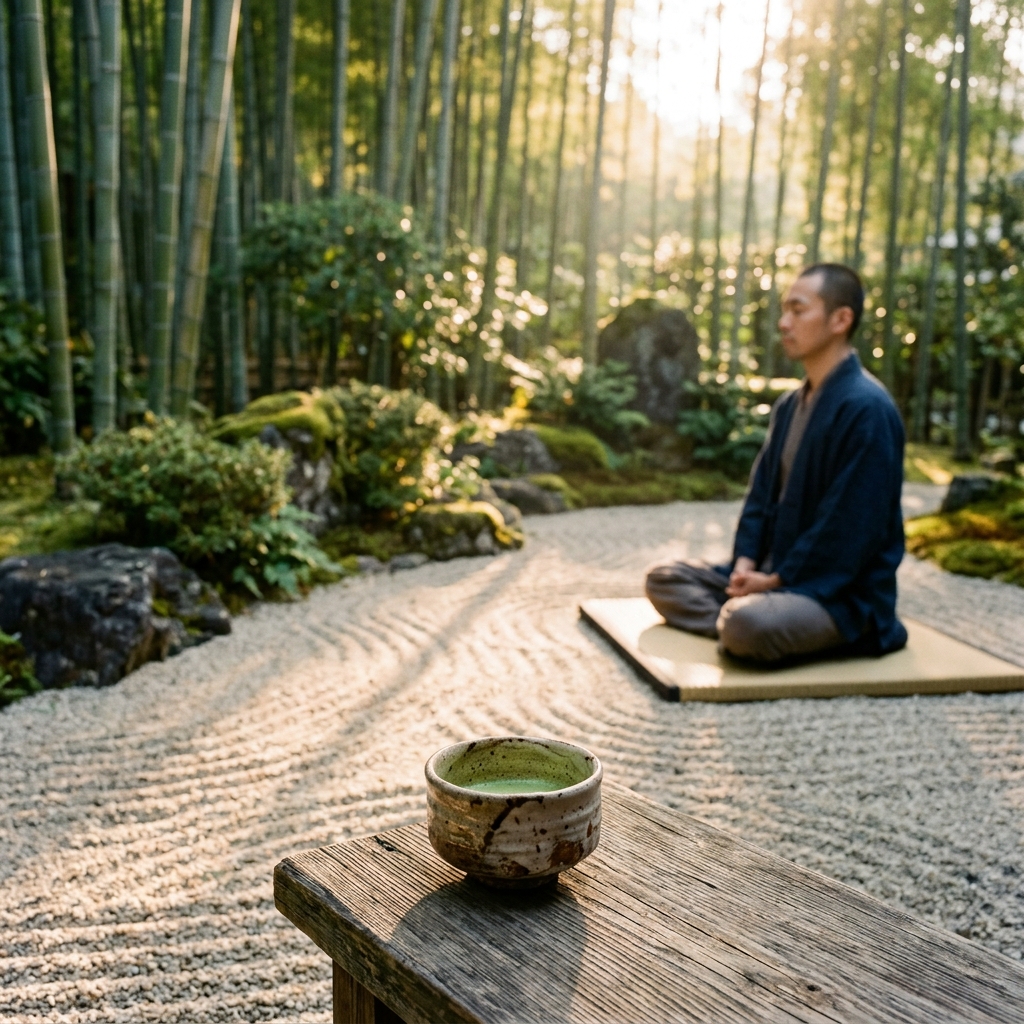
Trying to calm your mind through meditation but feeling more anxious instead? Learn about the 'Seven-Point Sitting Posture' and the mental preparation for meditation, debunk myths about losing control, and understand practical teachings on closing exercises and environmental taboos, so beginners can confidently start a high-quality meditation practice. Why does supposedly peaceful meditation cause people to see hallucinations? This article examines the phenomenon from physiological and psychological perspectives, breaking down experiences like seeing light and body distortions during meditation, and explaining the three types of consciousness disconnection in 'losing control,' helping you build a healthy meditation mindset. Can't stop your racing thoughts the moment you close your eyes? Discover meditation methods designed for different senses — eyes, ears, nose, body, mind, and non-action — including breath counting and mind observation techniques, helping you find the 'focus navigation system' that suits you best.
Struggling with the ancient Chinese text of the Tao Te Ching? This article provides the complete silk manuscript collated version with clear, accessible modern translations. Discover the true meaning of "wu wei" and "naturalness," and find the peace and balance lost in modern life through Laozi's wisdom from two thousand years ago.
Comparing Eastern and Western mythology to decode Laozi's unique definition of 'Tao' as the origin of all things. Understand the true meaning of 'The highest good is like water' and 'Wu Wei' — Taoism is not about being passive. Explore the contrast between 'The Way of Heaven' and 'The Way of Man,' and uncover the roots of social imbalance. Through the philosophical lenses of Kant and Wittgenstein, reflect on the civilizational crises caused by human overreach. When 'trying harder' stops working, try Taoist wisdom. Discover how 'reversal is the movement of the Tao' can ease anxiety, with examples from piano playing and Feng Shui to help you experience the essence of 'Harmony between Heaven and Humanity.'
Buddhism is not superstition, but a system of modern psychology. This article breaks down 'suffering,' 'attachment,' and 'nirvana' in plain language, re-examining Buddhism from a psychological perspective to reclaim inner freedom and peace. Modern people firmly believe in 'I think, therefore I am,' but Buddhism challenges this: the seemingly real 'self' is actually just a sum of sensory reactions, much like AI. Through cognitive science and AI analogies, we deeply explore Buddhism's most profound wisdom of 'non-self.' When Buddhism enters folk culture, it becomes art and custom, yet is often confused with superstition. How to maintain the boundaries of rationality, distinguish wise philosophy from mystical brainwashing, and practice Buddhist detachment wisdom in daily life.
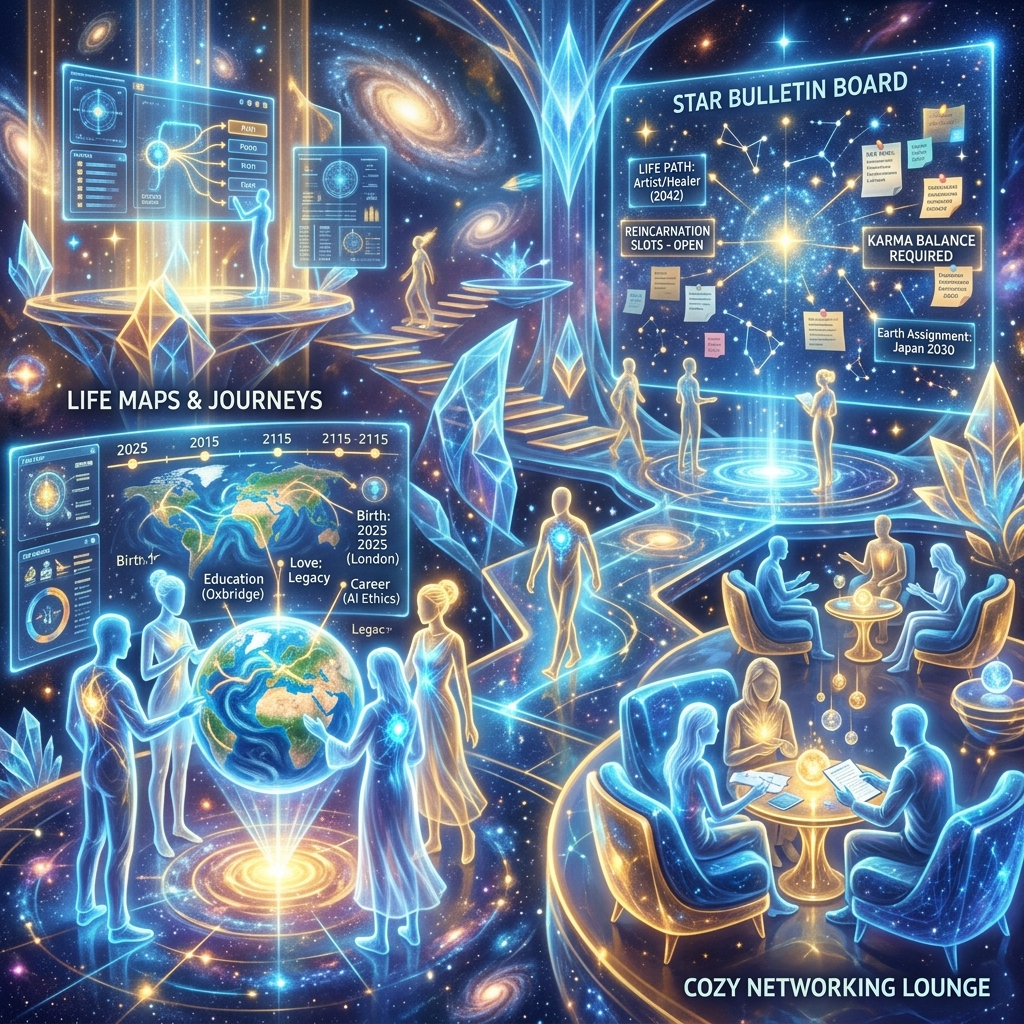
Feeling exhausted by life? Discover the 'Earth Online' planning process that souls go through before incarnation, and see the meaning of life from the soul's perspective. Meet the invisible support team behind every person. How do Guardian Spirits and Guide Spirits help us through tough times? What are Earth Tokens? A deep dive into Soul Blueprints, composite soul mechanisms, the patterns of destiny, and the astonishing power of human free will.