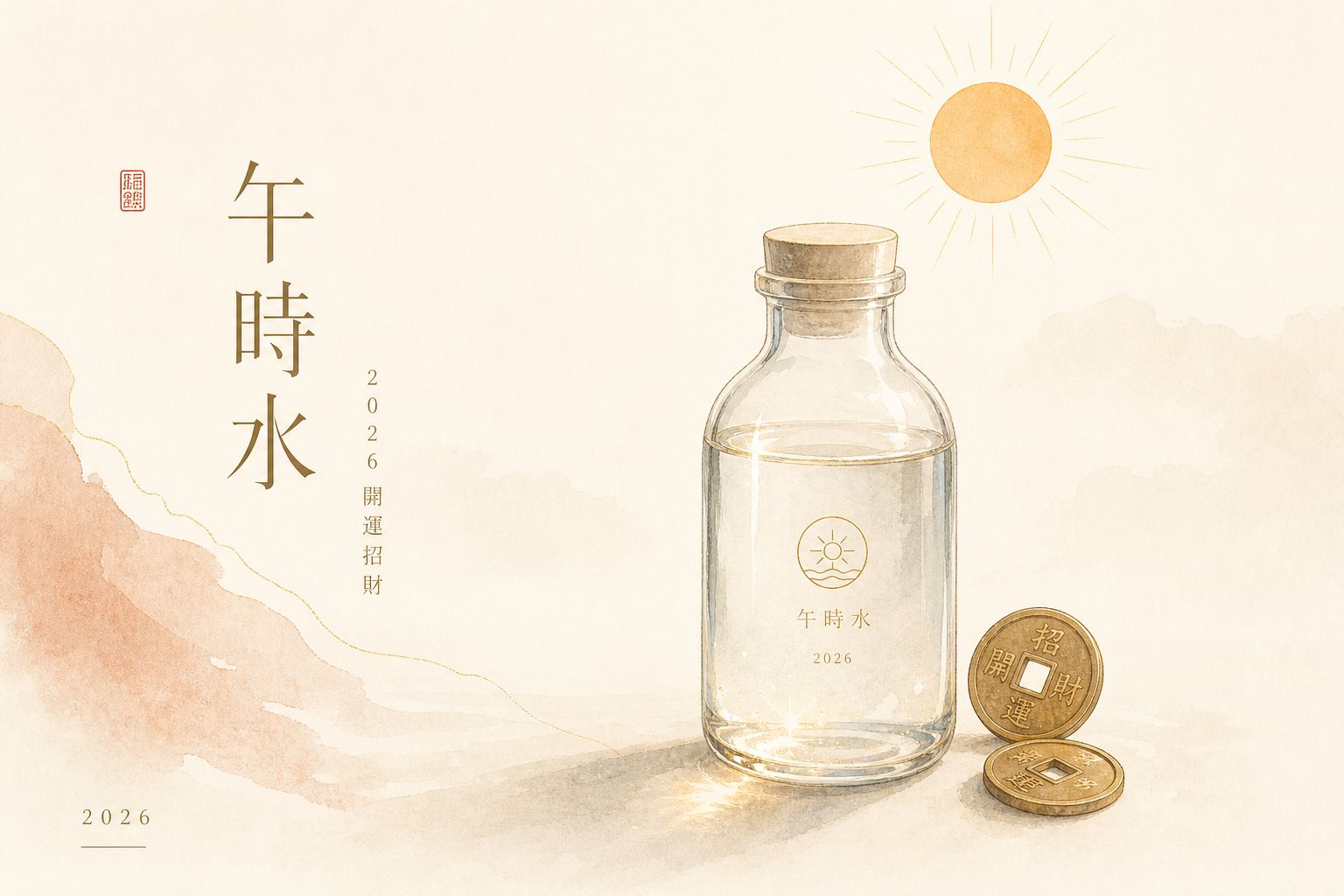
In the 2026 Bingwu Year, the Dragon Boat Festival coincides with the Month of Wu and the Hour of Wu, forming a rare "Three Fires Overlap." Together with the Hour of Wu on the Day of Zi representing "Water and Fire Completion," it is hailed by feng shui experts as the once-in-60-years strongest Noon Water. Learn about the special magnetic field of 2026 Noon Water, how to ward off evil and expel the plague god, create wealth water for luck, and the taboos to avoid for those born in the Year of the Rat and Horse.
Does Noon Water not spoil for a year? Ancients drew deep groundwater, while modern people sunbathing tap water actually breeds bacteria easily. Re-understand Noon Water from a modern hygienic perspective, debunk the myth of blind raw drinking, and learn to use it for external purification to return this Dragon Boat Festival custom to its safe, reassuring, and ritualistic essence.
Noon water is the 'pure Yang water' obtained at noon on the Dragon Boat Festival. It can be used for purifying the body, purifying the house, bathing, and making wealth water by adding coins. Learn the 4 steps to make noon water, how long it can be stored, how to handle old water, and taboos like why those born in the Year of the Rat or Horse should not drink it, helping you easily master this thousand-year-old Dragon Boat Festival custom.
If everyone eventually dies and everything turns to nothingness, what is the meaning of our hard work now? Camus points out through his 'Philosophy of the Absurd' that the absurdity of life lies in the conflict between human desire for meaning and the indifferent universe. Facing void, we should not escape, but confront our destiny like Sisyphus pushing the giant stone, turning our focus from 'result-oriented' back to 'process experience'. Because the meaning of effort is the effort itself.
Luck is not destiny, but a controllable energy state! Learn how physics and energy frequencies are used to actively create good luck from scientific experiments and a Stanford professor's 'Sailboat Theory'. Master tuning your energy frequency to let good luck actively find you.
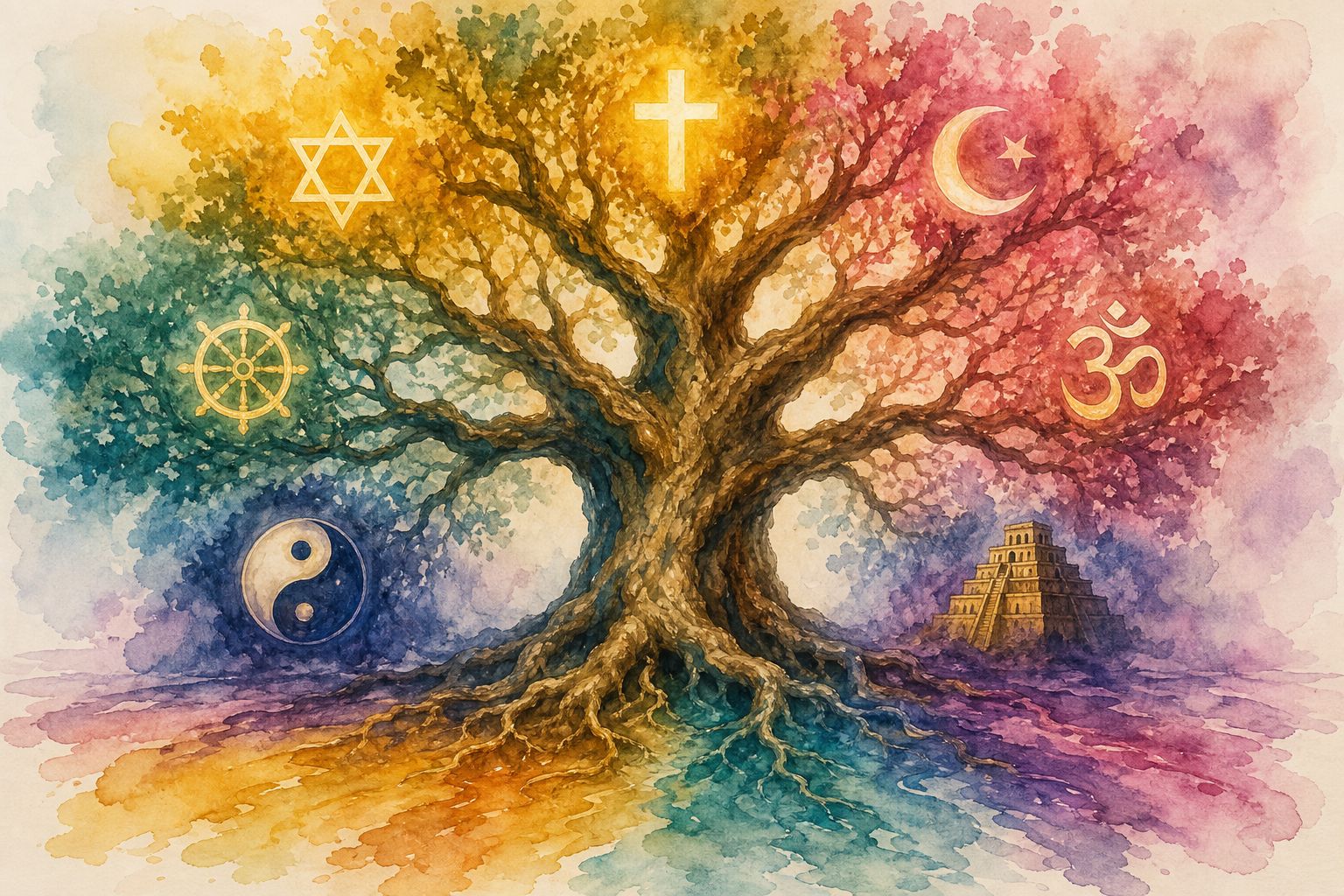
From Sumerian 'substitute workers' to strict covenant in Judaism, to Buddhism's non-self and Taoism's following of nature—quickly review how five major religious systems explain the ultimate origin of humans from a workplace perspective. The West emphasizes a willful ruler and covenant, while the East pursues a will-less pattern and liberation. How these two distinct cognitive frameworks shape our imagination of the Creator.
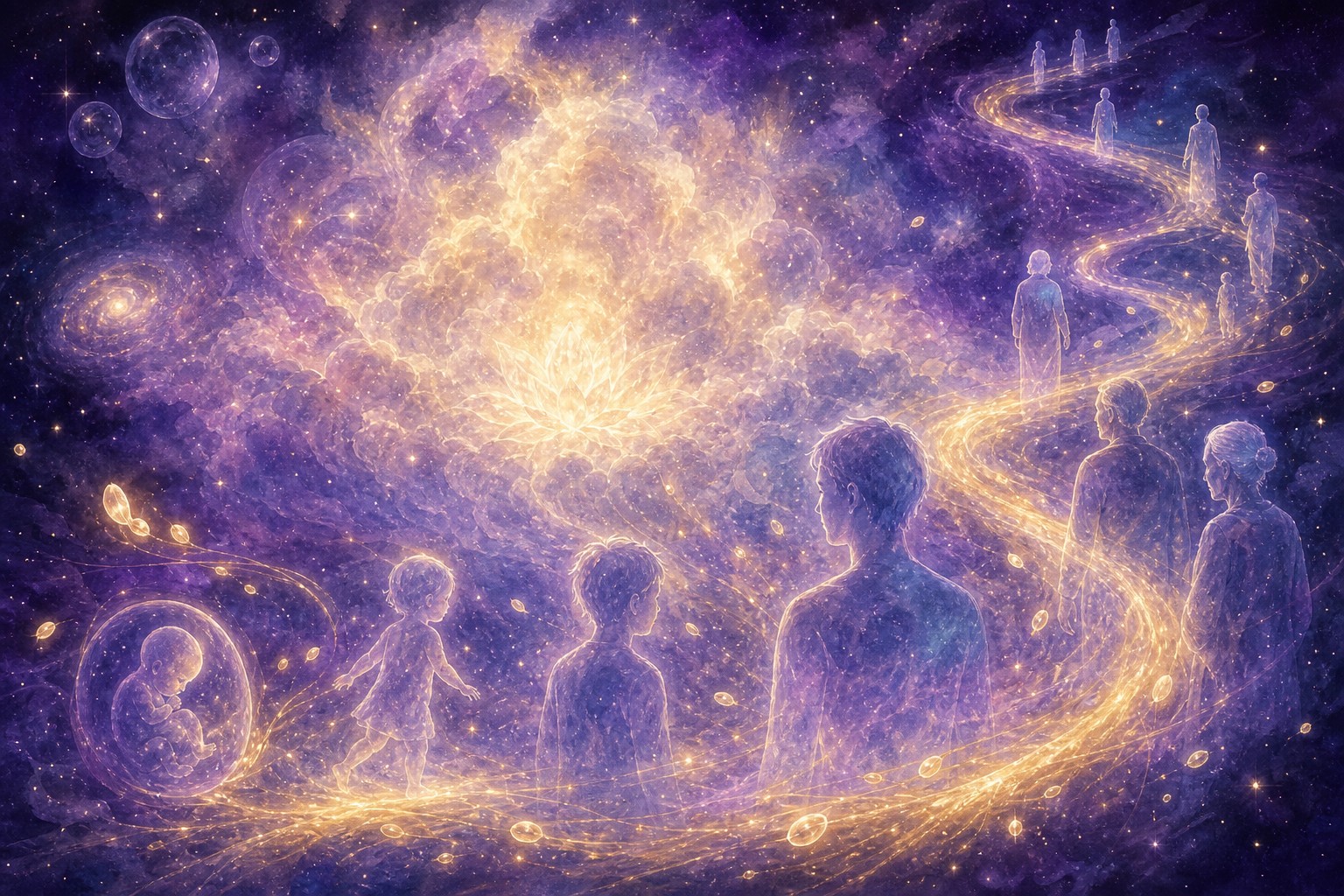
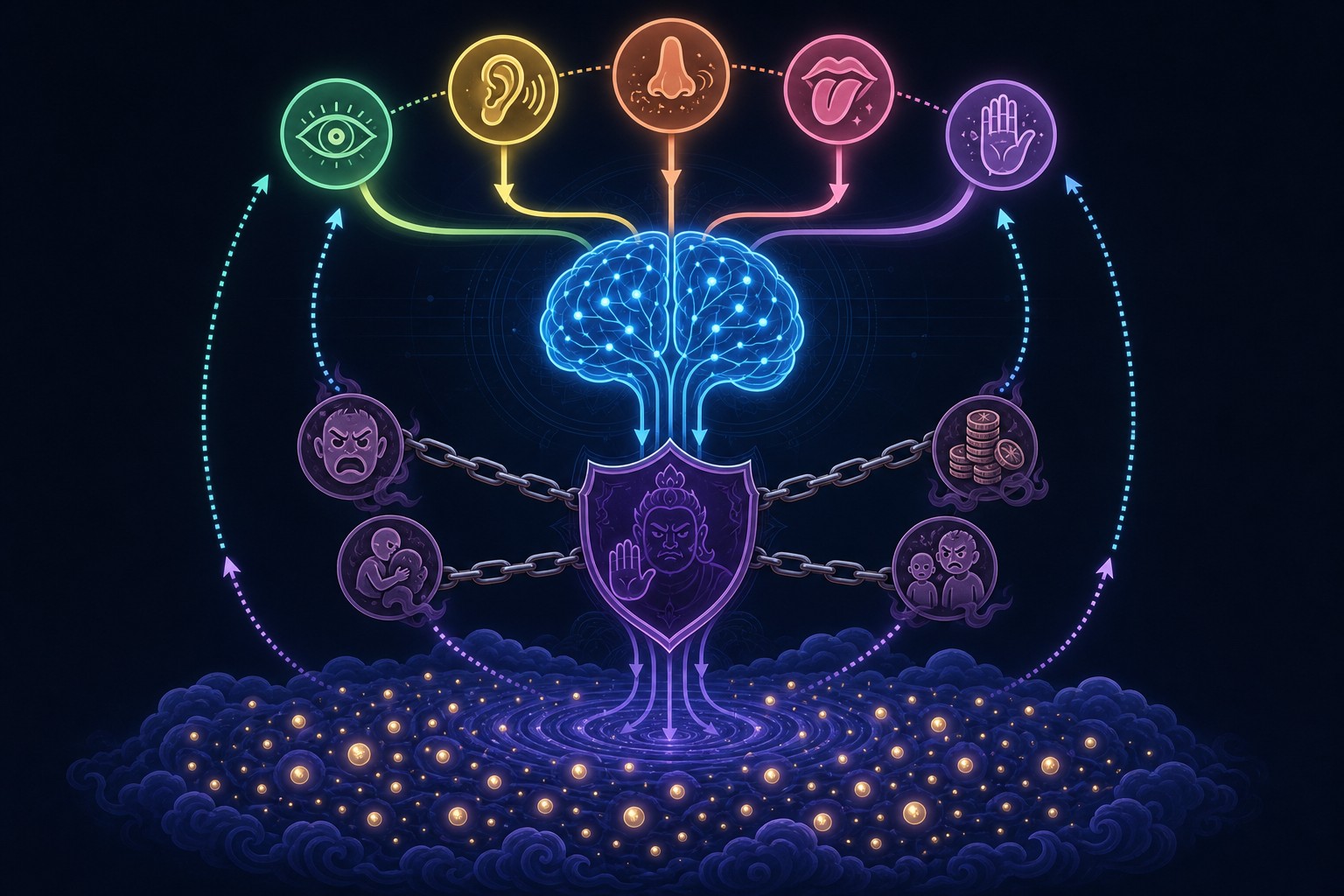
Yogacara divides consciousness into eight layers. The first six are responsible for daily operations but will shut down, while the seventh and eighth are key to controlling lifecycle reincarnation. Alaya-vijnana acts like an infinite-capacity personal cloud drive, storing karmic seeds across lifetimes. After death, the seventh consciousness carries the eighth to reincarnate, sync'ing past-life data for talents and deja vu.
The Buddhist concept of "Eight Fields of Consciousness" is ancient cognitive science. It maps the human mind into a four-layer architecture: Sensors (first five consciousnesses), CPU (sixth consciousness), Ego Algorithm (Manas-consciousness), and Cloud Drive (Alaya-consciousness). Understand this operating system to take back control of your life.
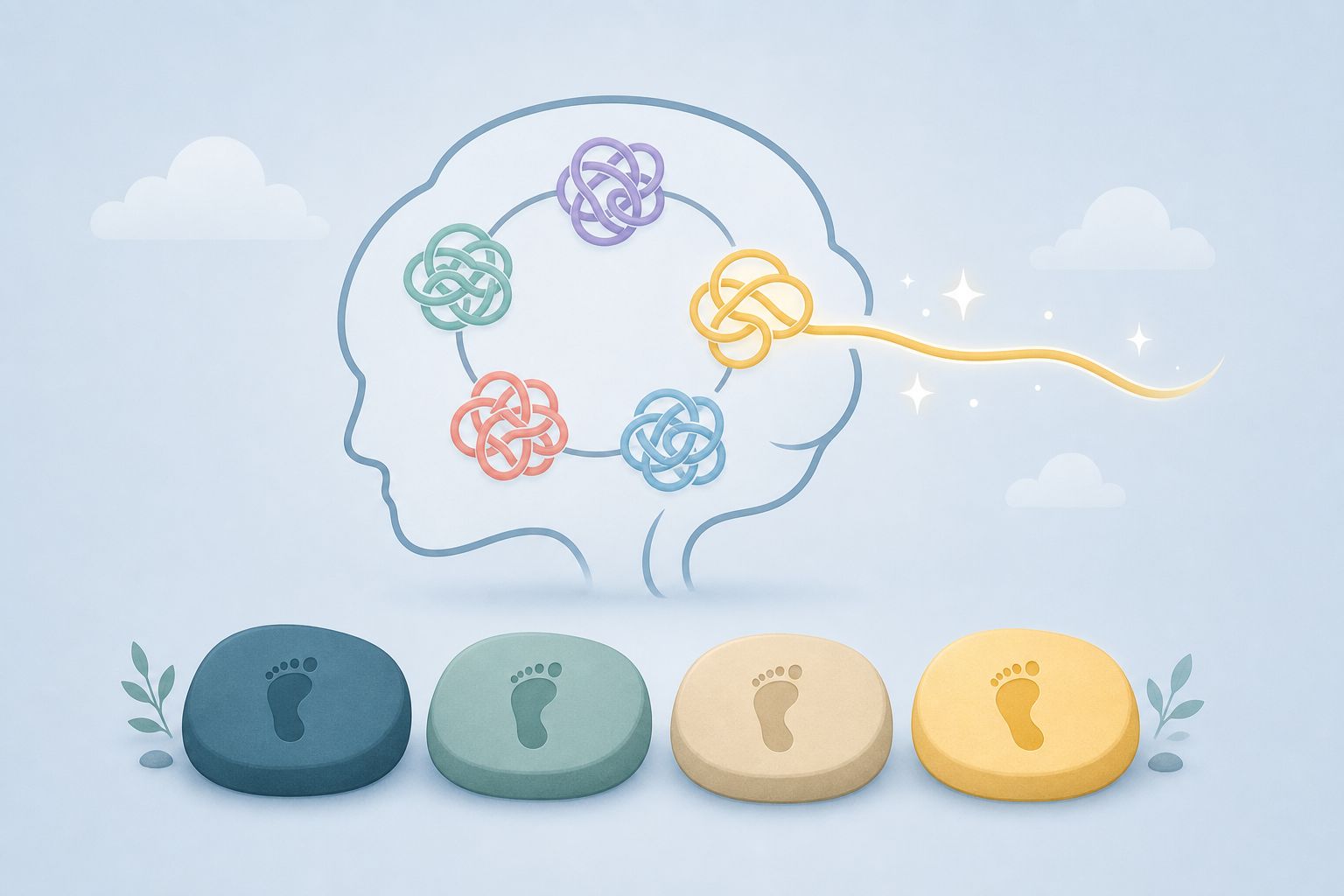
Why does the more you care about a person or a thing, the more you suffer? Unpack the brain's five cognitive traps (fixation, limitation, isolation, division, and subjectification) from the wisdom of the Diamond Sutra. Clarify why dependent origination and empty nature is not fatalism but a theory of effort, and provide actionable daily practices through Master Sheng Yen's 'Four Its' method (Face it, Accept it, Deal with it, Let it go).
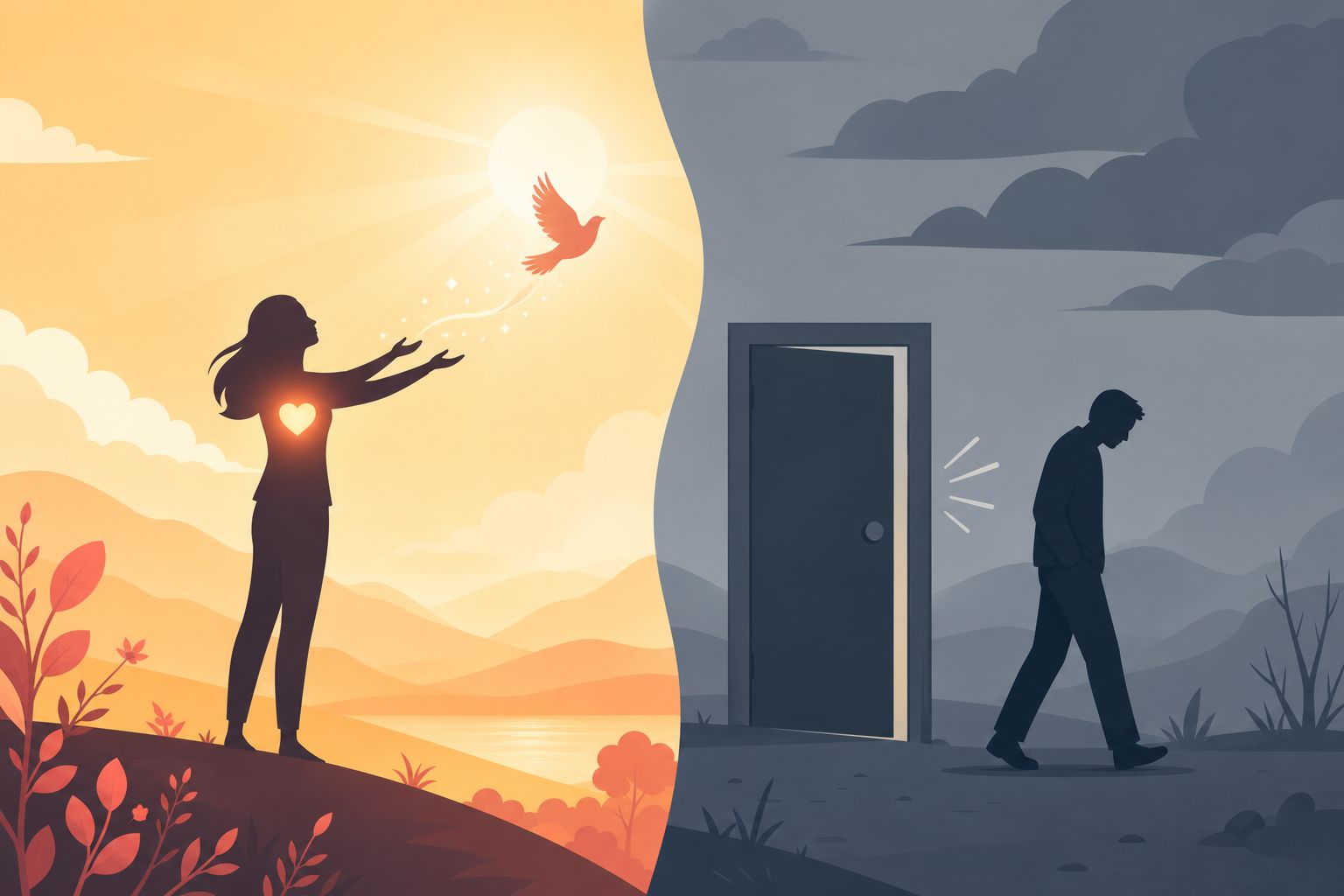
Many people use "Buddhist-style" (Zen-like) as an excuse for evasion, but true letting go and giving up are two completely different things. Drawing from Dharma Master Sheng Yen’s teachings, the Buddha’s 45 years of teaching, and the manifestation of Guanyin Bodhisattva’s thousand hands and eyes, we deconstruct what "compassion and wisdom in dual action" high-level caring is, and understand how "abiding nowhere, yet generating the mind" from the Diamond Sutra allows you to bravely traverse the mortal world while remaining gentle.