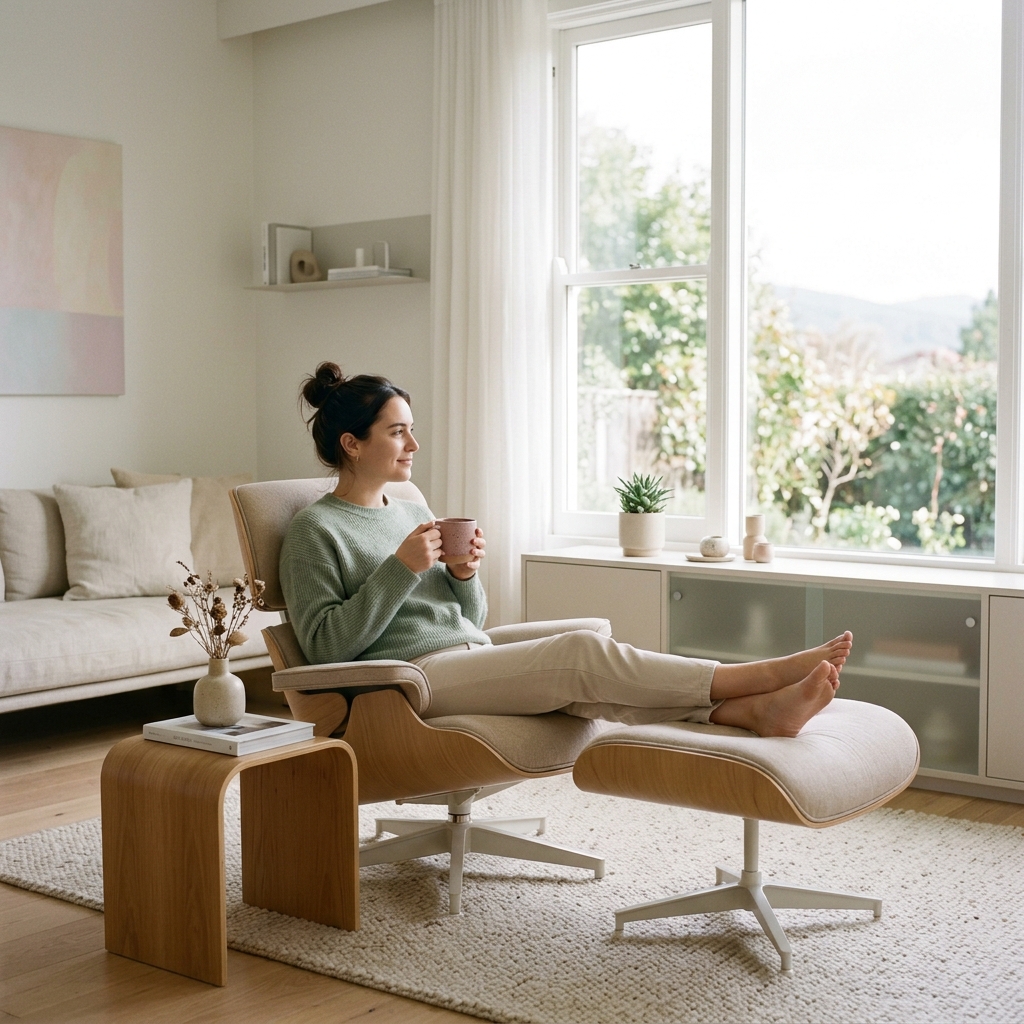
When you hear “meditation,” do you immediately picture someone sitting cross-legged under a waterfall, or forcing yourself into a state of “thinking about nothing”?
In reality, our brains are like a computer with 50 browser tabs open. Background processes run non-stop: that morning email you haven’t replied to, what to have for dinner, why your colleague looked annoyed… the fan spins like crazy and performance naturally drops.
Meditation isn’t about pulling the plug on your brain and shutting it down — it’s about teaching you to “consciously close the tabs you don’t need right now, one by one.”
Mindfulness Isn’t Just Sitting Still! Breaking Your Misconceptions About Meditation
Many people want to try meditation but hold back due to stereotypes. Let’s clear up these common myths:
| Myth | Explanation |
|---|---|
| 1. Posture myth: Do I have to sit cross-legged? | Absolutely not! As long as your lower back is supported, you can practice sitting in an office chair, lying in bed, or even while walking. The key is to keep your body in a “relaxed but alert” state, not to attempt yoga poses. |
| 2. State myth: Do I have to think about nothing to succeed? | Unless you’re brain-dead, your brain can’t think about nothing. The meditation process is about gently bringing your attention back when you notice your “monkey mind” jumping around. |
| 3. Time myth: Do I have to sit for half an hour? | For beginners, just 5 to 15 minutes a day is enough to produce significant psychological benefits. The key is “consistency,” not the length of a single session. |
5 Everyday Mindfulness Techniques You Can Do Anytime
Beyond closing your eyes and sitting still, many daily activities can incorporate the concept of “mindfulness” to help you regain a sense of order:
| Method | Explanation |
|---|---|
| Mindful Breathing | This is your brain’s “manual remote control.” Try the 4-7-8 breathing technique: inhale for 4 seconds, hold for 7 seconds, and slowly exhale for 8 seconds. This directly engages your nervous system, forcing your brain to “hit the brakes” and exit anxiety mode. |
| Writing and Drawing | Pick up a pen and write down your current feelings without logic, or focus on doodling freely. This process transforms internal emotions into something tangible, achieving catharsis and healing. |
| Music and Reading | Put on a soothing “mindfulness playlist” (like singing bowls or ambient sounds), or immerse yourself in the words of a book. This physically isolates you from external distractions and recharges your mind. |
| Mindful Walking | On your way back to the subway station after work, don’t scroll your phone — simply feel the pressure of your soles touching the ground and the breeze brushing across your face. These 5 minutes are an excellent “moving meditation.” |
| Simple Living (Decluttering) | Cleaning your space and reorganizing your desk is actually performing “mental housekeeping.” When your environment becomes tidy, your scattered thoughts will settle down too. |
15-Minute Meditation SOP: Morning and Bedtime
If you want a more ritualistic practice, try placing these 15 minutes during the two golden windows of morning and evening:
Morning: Setting Your Navigation
After waking up and before finishing your coffee, find a comfortable spot to sit.
| Step | Explanation |
|---|---|
| Adjust your posture | Straighten your spine; place your hands wherever feels natural. |
| Observe your breathing | Don’t force it — simply feel the rise and fall of your abdomen. |
| Set your intention | Tell yourself to maintain clear awareness today. This helps you face the day’s stress with a calm and steady state of mind. |
Bedtime: Disk Defragmentation
Lie in bed and perform a “body scan” — this is especially effective for relieving the physical tension (like neck and shoulder stiffness) accumulated throughout the day.
| Step | Explanation |
|---|---|
| Close your eyes | Feel the support of the bed against your back. |
| Scan from head to toe | Let your awareness start from your forehead, slowly moving to your neck, shoulders, abdomen, and down to your toes. |
| Breathe and relax | At each body part, imagine your breath carrying oxygen into that area and washing away the tension. This helps your brain close its temporary files and enter deep sleep. |
Got Distracted? Congratulations — That’s Where the Real “Training” Begins!
Many people think getting distracted during meditation means failure, but it’s actually the opposite.
“Noticing that you’ve gotten distracted and gently bringing your attention back to your breath” — this process is the most essential “workout” of meditation.
Just like lifting dumbbells, every time you bring your attention back, your “awareness muscles” grow stronger.
Mindfulness meditation isn’t about becoming an emotionless robot — it’s about giving your brain a regular “oil change.”
Starting tonight, put down your phone for 5 minutes and give yourself some time to “close those tabs.” You’ll discover that a brain cleared of its junk cache can feel surprisingly light.